
At the NextGen in Health – Shaping knowledge and technology to redefine health event, experts from different fields gathered to discuss the future of healthcare, in a meeting that brought together talent, science, and technology with a common goal: to create solutions with a real impact on people’s lives.
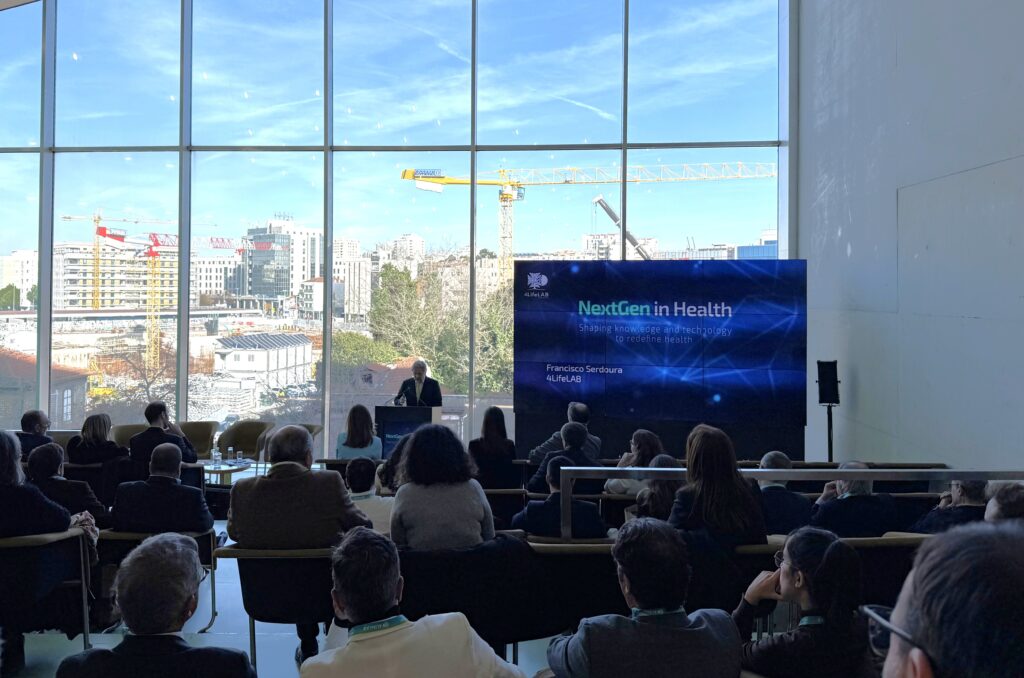
Moderated by Sara Tainha, the session covered some of the main areas of innovation in healthcare, from the integration of robotics in the operating room, with surgeries broadcast in real time to hospitals hundreds of kilometers away, to augmented reality helmets, artificial intelligence (AI), sensors applied to real-time patient monitoring, and the next generation of drones serving healthcare.
The meeting also highlighted aerospace medicine, showing how space medical technology continues to expand horizons and how the knowledge gained can inspire advanced medical solutions applicable on Earth.
Augmented reality and 5G are already transforming the operating room
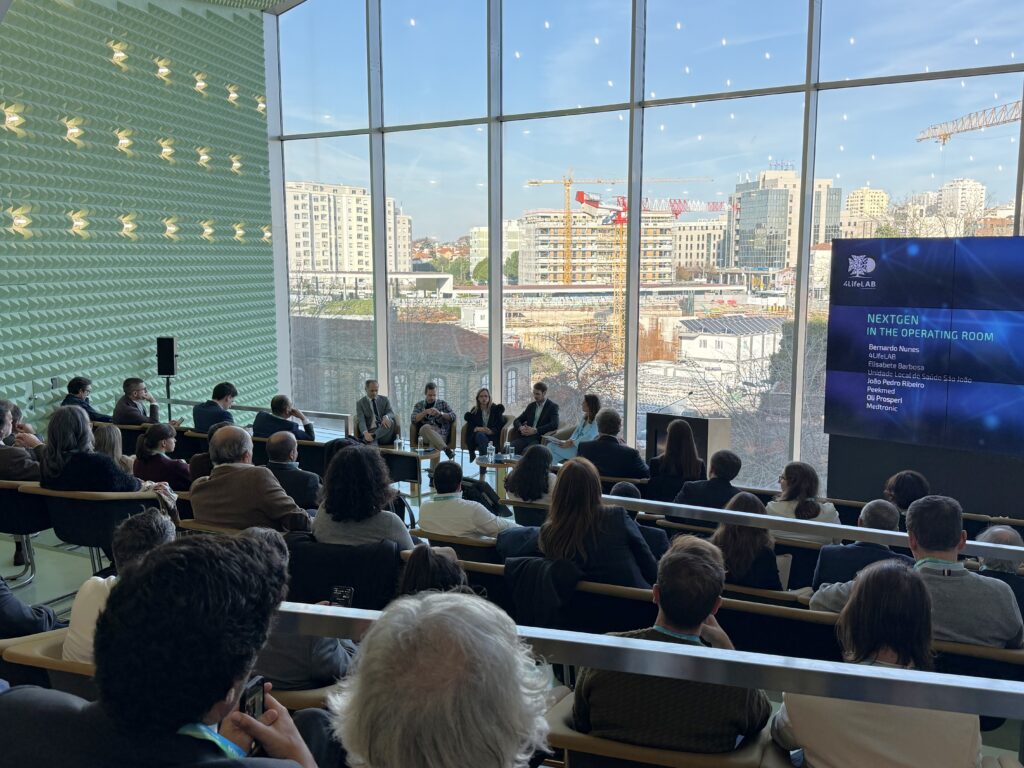
The first NextGen in Health roundtable focused on the speed with which robotics, augmented reality, and 5G connectivity are transforming the operating room, technologies that are already being tested in real clinical settings.
During the debate, Bernardo Nunes, head of 4LifeLAB’s Surgical Helmet project, revealed the recent demonstration between the Hospital de São João and the Hospital de Macedo de Cavaleiros. “We used a surgical helmet with augmented reality that allowed other professionals, some 170 kilometers away, to follow and interact with the procedure in real time,” he explained, stressing that the surgeon had access to the surgical planning without looking away from the patient.
Elisabete Barbosa, from ULS São João, also emphasized the importance of technological integration. “The future is not just robotic surgery. It is having systems that communicate with each other, with surgical navigation, augmented reality, and integrated platforms,” she said, arguing that this path is essential for more modern and safer operating rooms.
With over three decades of clinical experience, Elisabete Barbosa was optimistic. “We are in an era of change and modernization. Technology is already transforming the Serviço Nacional de Saúde, and this transformation is irreversible,” she concluded.
Artificial Intelligence and sensors pave the way for more integrated medicine
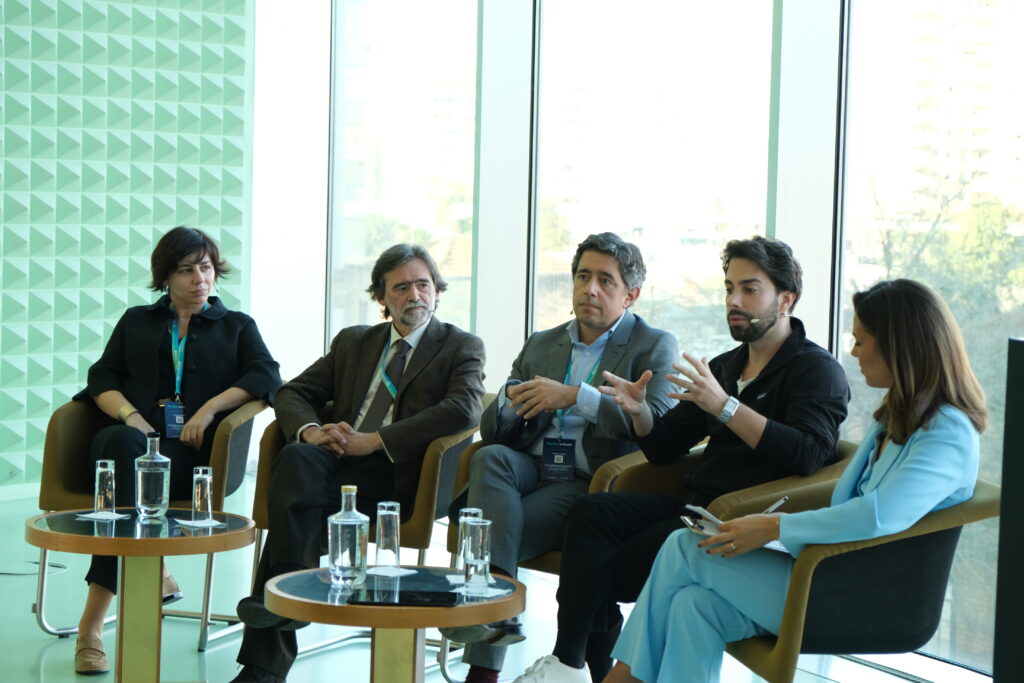
The second round table highlighted the growing role of Artificial Intelligence and sensorization in the evolution of healthcare, with a direct impact on patient monitoring, diagnosis, and clinical decision-making.
For José Artur Paiva, from 4LifeLAB, the big change lies in how data is used. “For years, we have mainly invested in predictive models. Today, new Artificial Intelligence models allow us to go further, helping us to reason and build clinical hypotheses,” he explained. The doctor emphasized that the real challenge lies not only in developing the technology, but also in integrating it into clinical practice. “To acquire data, you need to invest in sensors, but any investment must have a clinical return. Research plays an absolutely central role here,” he said, pointing to the need for a less fragmented approach between specialties.
José Artur Paiva also warned of the need to break down silos within the healthcare system. “We cannot continue to look at clinical areas in isolation. AI allows us to connect information and reach conclusions in a different way,” he added.
The panel thus reinforced the idea that digitization only creates value when accompanied by scientific validation, interoperability, and effective use of technological solutions in the real context of healthcare.
Drones and air mobility promise faster responses to medical emergencies
The third NextGen in Health roundtable focused on airborne medicine, exploring the impact of drones and air mobility on logistics and emergency medical services, an area considered crucial for saving lives.
Jorge Sousa, from ULS São João, highlighted the importance of time in clinical response. “In healthcare, time saves lives. Being able to reduce minutes in an emergency can make all the difference in the clinical outcome,” he said, referring to the potential of drones in the rapid transport of medical and biological material.
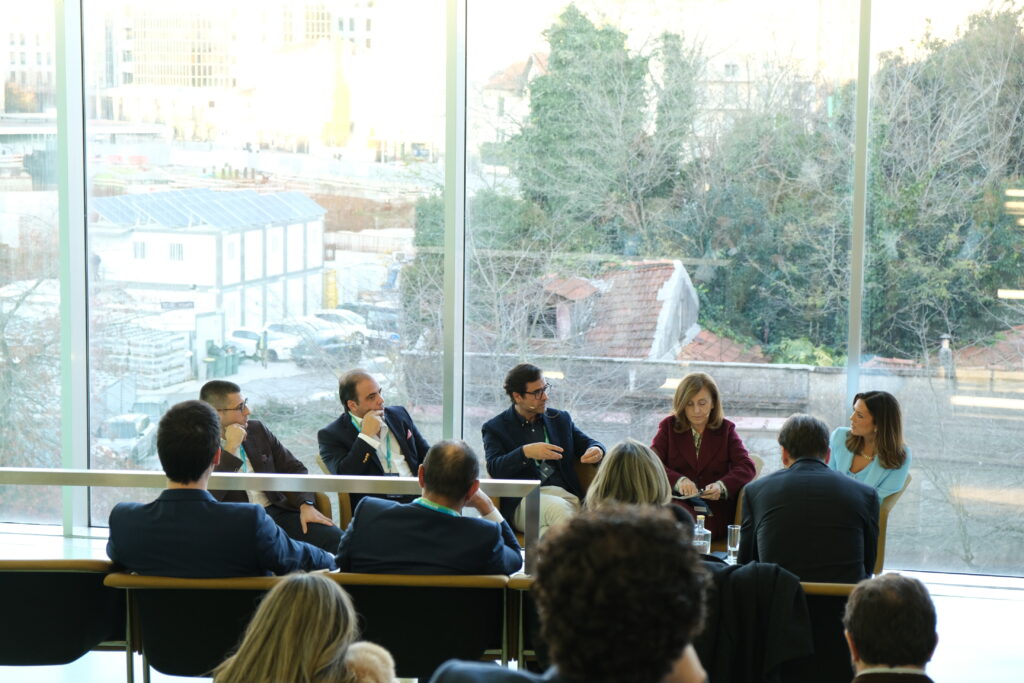
On behalf of 4LifeLAB, Rui Cerqueira revealed that “the country’s first vertiport is already under construction at an NHS institution, which will allow real operations with drones to be tested in a healthcare context,” adding that this infrastructure opens up new possibilities for emergency response.
The industrial perspective was brought up by Isabel Furtado, president of CEiiA, when she defended a broader view of healthcare accessibility: “Medical emergencies don’t just depend on healthcare professionals. It also depends on the means that allow us to reach people faster, and drones are part of that solution,“ she said. She also highlighted the environmental impact of these solutions: ”An electric drone has an incomparably smaller ecological footprint than an ambulance or helicopter, which makes this model more sustainable.”
Space medicine inspires the future of healthcare on Earth
Closing the event, Sergi Vaquer Araujo, Medical Team Leader at the European Space Agency, brought an international perspective on the connection between space medicine and healthcare on Earth.
Addressing the audience, he praised national innovation: “Portugal has the right people, the right attitude, and the right infrastructure. What is being done here with 4LifeLAB is an excellent example of successful cooperation,” he said.
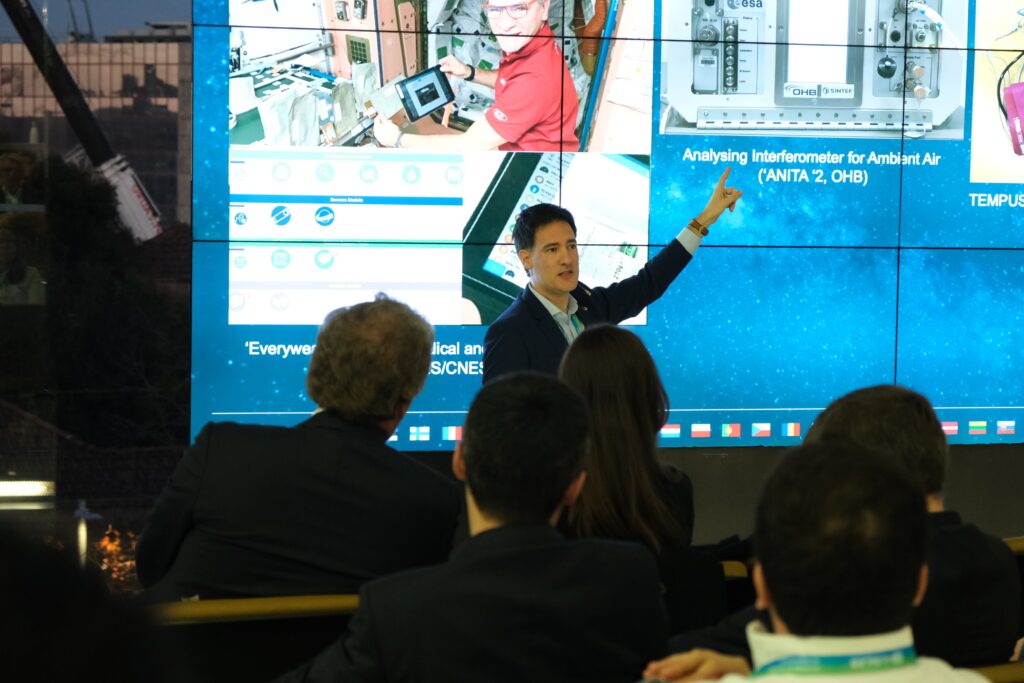
Sergi Vaquer explained that many of the technologies developed for extreme environments end up having direct applications in healthcare. “In space medicine, robustness is essential. We need technology that works in extreme conditions, because that is what saves lives,” he emphasized, referring to monitoring and telemedicine systems used in space missions.
The intervention ended with a clear message: “The knowledge we develop in space exists to benefit all of humanity. The medicine of the future is being built today, through collaboration and applied innovation.”
Expresso accompanied Sergi Vaquer Araujo’s special participation, interviewing the doctor on the sidelines of the event. Full interview here.


