
4LifeLAB presents the results of its project on the transport of biological samples and blood components by drone
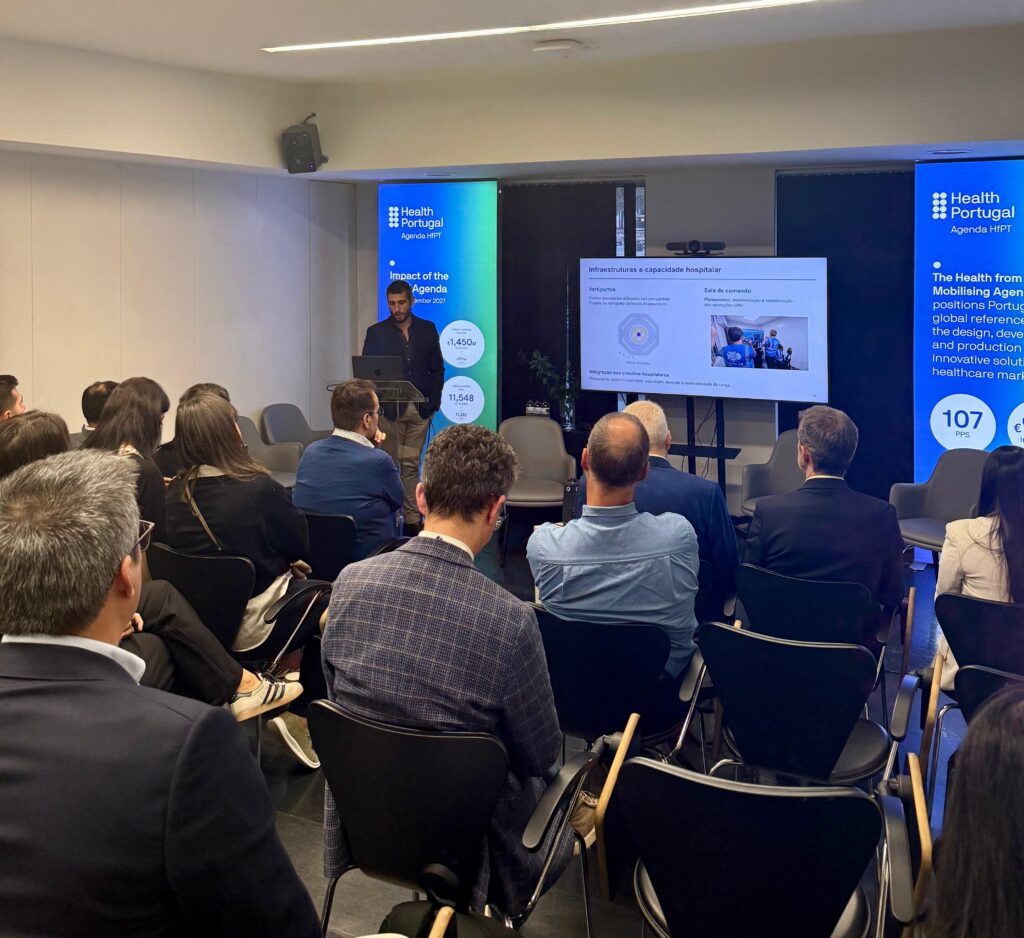
4LifeLAB took part in the ‘Integrated National Health Services’ Conference, held on 6 November in the Auditorium of the Institute of Public Health of the University of Porto (ISPUP), with a panel session dedicated to the use of drones in pre-hospital emergency care and hospital logistics.
Under the theme “Pre-hospital Emergency Care. Faster, closer: Drones in the Service of Emergency Care and Hospitals”, the session began with a presentation by Rui Cerqueira, head of the 4LifeLAB project on drones for medical emergencies and hospital logistics and a cardiac surgeon at ULS São João, who outlined the results of the pilot project on the transport of biological samples and blood components by drone, including the first operations beyond the pilot’s line of sight (BVLOS) between hospital units in Portugal.
According to Rui Cerqueira, the tests carried out demonstrated the feasibility of the transport, with no changes identified in the quality of the blood components analysed. “The analyses showed that the transport had no impact whatsoever, and that is the best result we could have hoped for,” he emphasised.
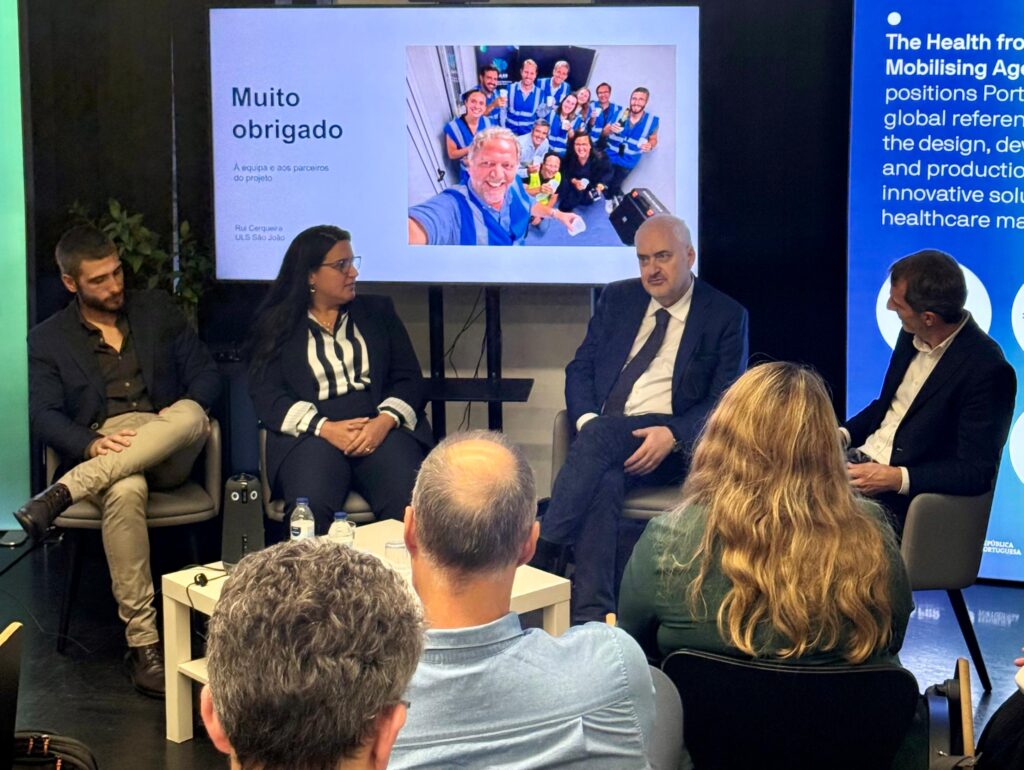
This was followed by a round-table discussion featuring Rui Cerqueira, Veruska Dias, Chief Product and Strategy Officer at Speedbird Aero, and António Marques, Director of the Hospital Magalhães Lemos at ULS de Santo António and former Director of Medical Services at the Instituto Nacional de Emergência Médica (INEM), moderated by Júlio Martins, CEO of Everythink.
The debate focused on operational feasibility, the associated regulatory challenges and the potential for expanding the use of drones, both for inter-hospital transport and in pre-hospital response to critical situations.
For Veruska Dias, one of the main challenges lies in integrating this technology into the day-to-day operations of healthcare services, transforming what is still a specialised solution into a standard service, whilst ensuring that the relevant structures and training for the professionals involved are adapted accordingly.
For his part, António Marques highlighted the importance of integrating drones into the healthcare network, emphasising that “it is absolutely essential not only to think about the drones themselves, but also about where they land and the vertiports”. The discussion also highlighted the potential of this technology for a faster and more efficient inter-hospital logistics and transport network. As Rui Cerqueira emphasised, “the project enabled us to study the operational models, design the installed capacity and prepare São João Hospital to actually move towards routine use in the future”.
The conference included a presentation of the results of the WP06 projects under the Health from Portugal Mobilising Agenda.


